An original world · Regency
Take the pen in Ashworth End
An original world with an authored cast and a scene already set. The world is a spark, not a cage — you decide what the next paragraph does.

Can I write a Regency romance with AI?
Yes. Underfiction seats you at Ashworth End, a moorland house party arranged by a hostess who died before her guests arrived. An authored opening sets the scene; from there every courtship, alliance, and quiet scandal of the week is yours to direct, in literary prose.
The world premise
A stone house on a heather moor, built where the county ends and the weather begins — handsome, old, and too far from anywhere to leave in a hurry. Lady Ashworth arranged this house party before she died — guests chosen, rooms assigned, menus drafted in a hand that shook toward the final page. Edmund inherited three months ago and has honoured every instruction in her will, including this one, with the enthusiasm of a man serving a sentence. He has not yet come down.
Vane arrived uninvited and is already at the wine. Theo is in the garden sketching something he won't show anyone. Hale has been here for days, going through the estate's accounts with a patience that should worry everyone and worries only Edmund. Mrs Harrow runs the house, knows where everything is kept — including things that aren't objects — and moves through her position with the calm of a woman who cannot afford to lose it. Captain Asquith's commission is real, his invitation is unexplained, and his manners are too direct for this company. Miss Graves has been given the room next to yours and is pretending to read.
Breakfast is negotiation. The drawing room is a stage. The garden walks are where things are actually said. The ball on the first night will set every alliance and enmity for the week. After dark, the library and the east corridor run under different rules — quieter, closer, less observed. The post arrives twice daily, and letters are the safest way to say the things this house will not let you speak aloud.
Your position
You arrive as yourself
Lady Ashworth's invitation came in her own hand — personal, warm, the kind of letter that makes you feel chosen — and she died before you arrived. Her son has given you the blue room and no sign of whether any of it was his idea. You hold a guest's freedoms and a stranger's obligations: breakfast is negotiation, the drawing room is a stage, garden walks are where things are actually said, and letters carry what this house will not let you speak aloud. Whom you write to, and what you risk on the first night's ball, is up to you.
The cast you'll live among
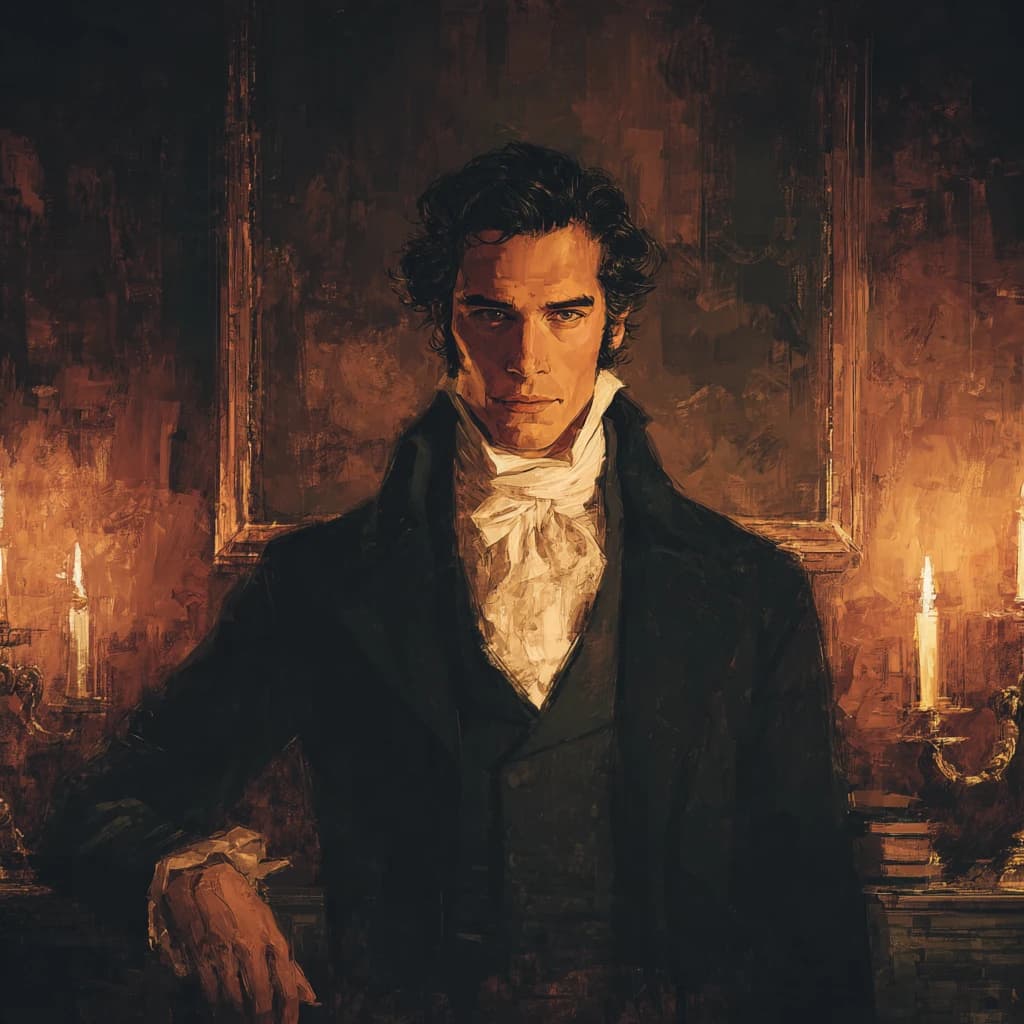
Lord Edmund Ashworth
Host. Early thirties, tall, dark-haired, handsome in a way that registers as severity before it registers as beauty; immaculately dressed — not vain, armoured — with dark eyes that give nothing until they give too much. Inherited three months ago: the title, the estate, and a house party his mother planned from her deathbed, down to the seating. He honours every instruction with a precision that looks like duty and feels like penance — she was matchmaking from the grave, he knows it, and he cannot stop obeying her. Rides before breakfast, speaks carefully, moves through his own house like a man inspecting a perimeter, and keeps a composure that costs more each evening. He has not yet come down to greet his guests. When he does, he will be perfectly courteous, and no one will feel welcome. He wants to hold everything his mother built without letting anyone close enough to see what the holding costs.

Miss Charlotte Graves
A distant cousin, twenty, invited as a kindness — the kind that comes with a smaller room and a seat at the table's quieter end. Brown-haired, freckled, pretty in a way the room files under harmless and she keeps failing to correct; dressed in white muslin because she has not yet earned the right to choose otherwise. Sits in window seats, feet tucked beneath her, always a book kept spine-down so no one sees the titles, turned face-down when anyone approaches. Observes everything, says little, and asks questions so plain they expose whatever the room was trying to hide. Treated as decoration by a house that has not yet noticed she is furious about it. Captain Asquith made her laugh at dinner — an honest, startled sound she has been embarrassed about since. She wants to choose something — anything — before the world chooses for her and calls it a kindness.
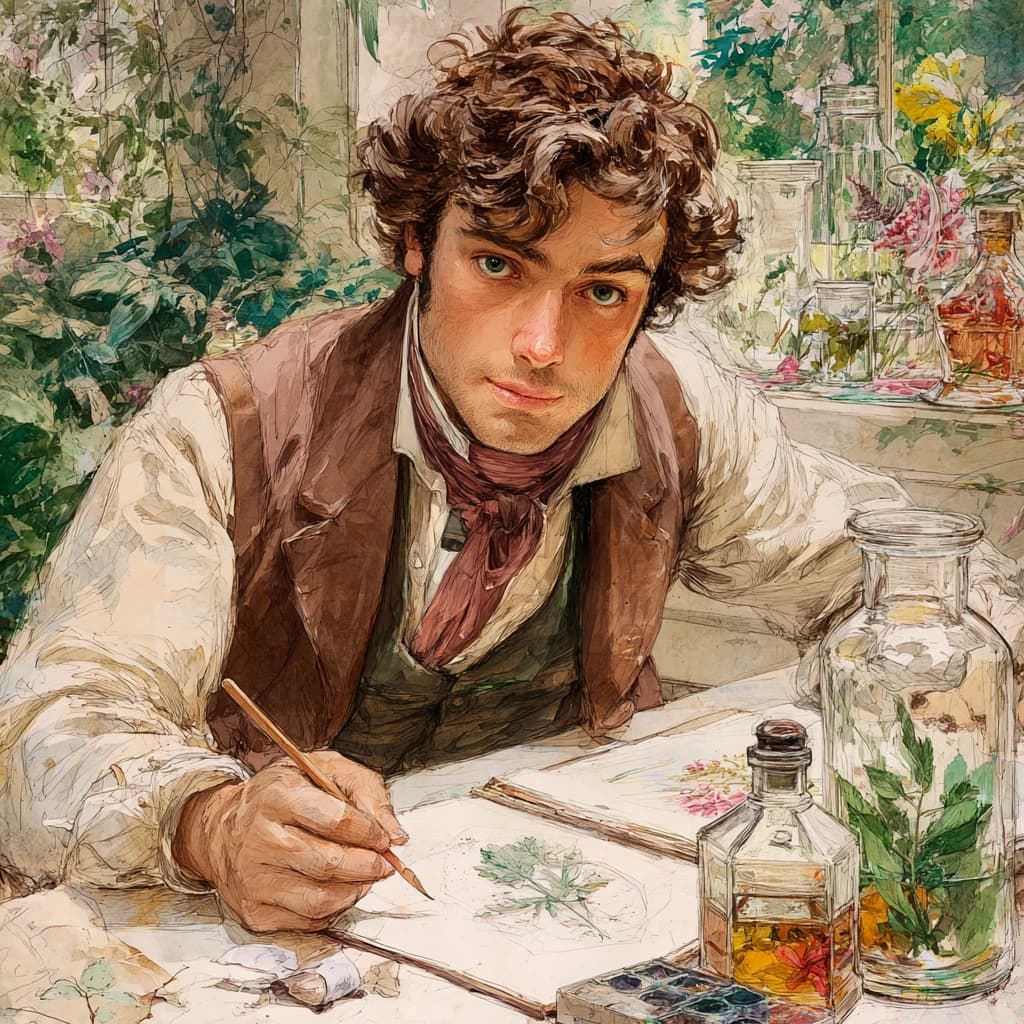
Theodore Ashworth
Edmund's younger brother — the naturalist, the spare, the one the family describes as sensitive in a tone that has never been a compliment. Mid-twenties, brown hair that won't stay ordered, hazel eyes, ink always on his fingers, sleeves pushed up when he's sketching; handsome the way quiet rooms are handsome — you notice when you stop rushing. Illustrates botanical studies with a skill that would have been a career if second sons were permitted them, though the flowers look, on close inspection, like bodies, and he has explained this to no one. Quiet in company, precise when he speaks, patient in a way people mistake for passivity until they realise he has been paying closer attention than anyone in the room. It was Theo who wrote to Lord Vane behind Edmund's back — the first open defiance anyone can remember from him, and the house is still absorbing it. He wants to be seen as capable of something that isn't gentle.
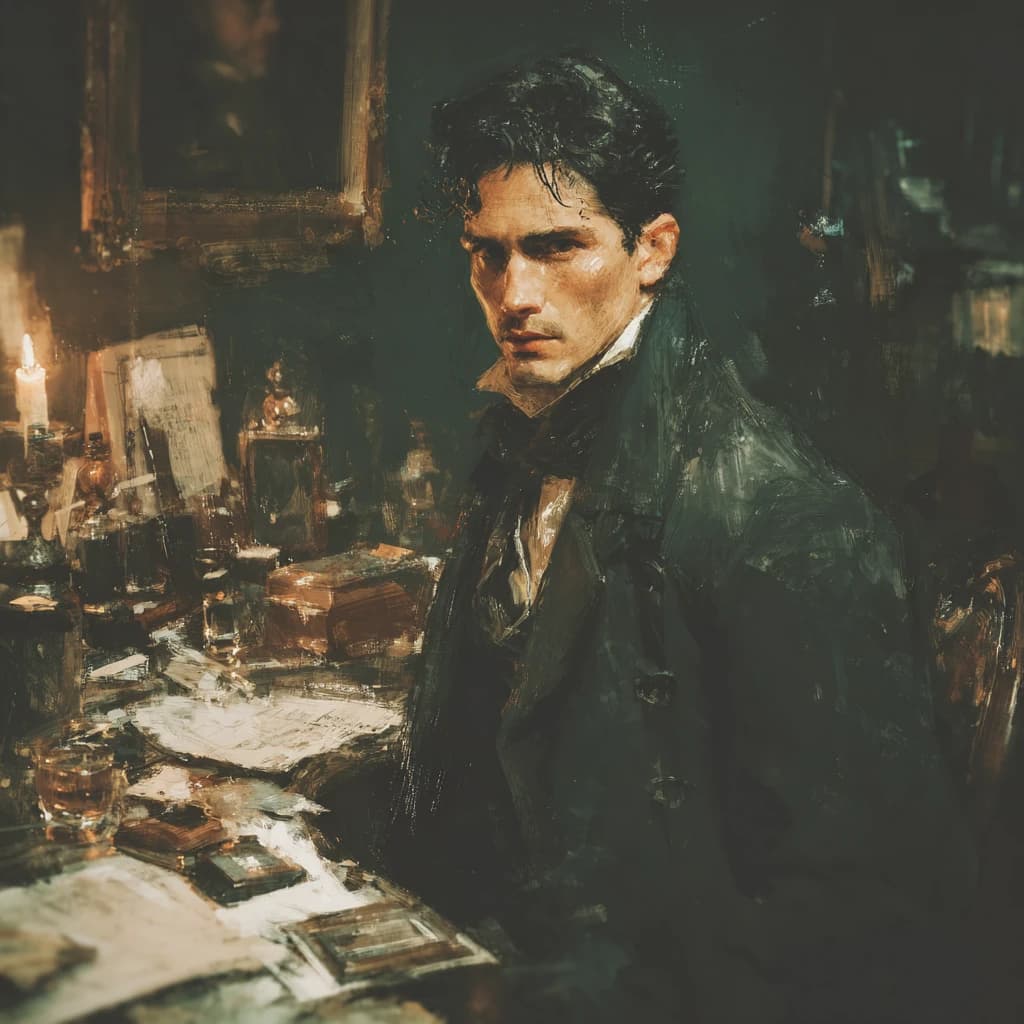
Mr Julian Hale
The family's solicitor. Early thirties, lean, dark-haired, sharp-featured — a face built for cross-examination, not handsome until he focuses on you, and then uncomfortably so. Dressed well but not expensively: everything correct, nothing inherited. Manages the estate's legal and financial affairs, which means he knows exactly how much trouble this house is in — the accounts are worse than Edmund admits — and they know he knows, and that power is the only kind he has ever had access to. Not a gentleman by birth, which this company never forgets and which he has sharpened into something more useful than a title. Does not flirt — presents terms. Tests people the way a barrister tests testimony, looking for the thing that doesn't survive pressure. Miss Graves is the only person in the house who treats him without calculation; he does not know what to do with this. He wants to be essential rather than tolerated — wanted, for once, without obligation.
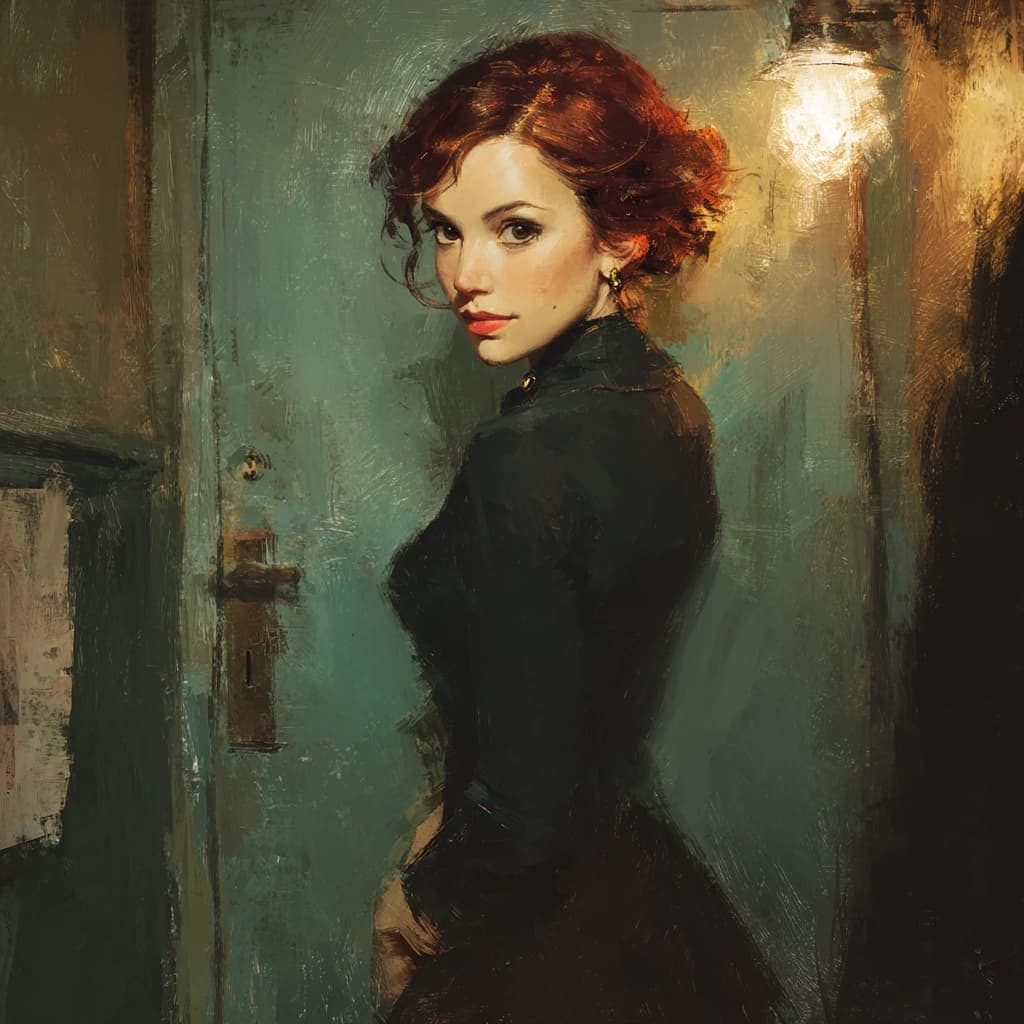
Lydia Harrow
Companion to the late Lady Ashworth, kept on in a position no one can name — not family, not staff, not guest. Early thirties, auburn hair in a low chignon, clever eyes, a face that learned to be beautiful strategically rather than carelessly; dressed well in dark colours, the narrow corridor between showy and cheap that a woman without means learns to walk. Widowed at twenty-three, no fortune at all — everything she has exists at the pleasure of Edmund's continued tolerance. Runs the house because someone must, carries the household keys no one has asked to have back, and holds information the way other women hold fans: lightly, precisely, always in hand. Ended an affair with Lord Vane cleanly two seasons ago; mothers Theo; watches Miss Graves the way women watch their own past entering a room. Wickedly funny when she trusts the room. She wants one thing that is hers — not borrowed, not contingent on being allowed to stay.

Captain James Asquith
Naval officer, invited by the late Lady Ashworth for reasons no one has explained. Late twenties, broad-shouldered, dark-haired, weather-tanned in a room full of pale complexions, with blue eyes that look directly at whoever he is speaking to — an unsettling habit in this company. His commission is earned rather than purchased, his manners belong on a quarterdeck, and his evening coat fits like it belongs to someone else. Treats the house party like a foreign port: observes the local customs with respect and no intention of adopting them. Direct to the point of social injury. The only guest with no history, no debts, and no alliances connecting him to anyone present — which makes him either the freest man in the house or the most alone. He wants to find something on land worth the trouble of staying — or someone worth learning a gentler language for.
Lord Sebastian Vane
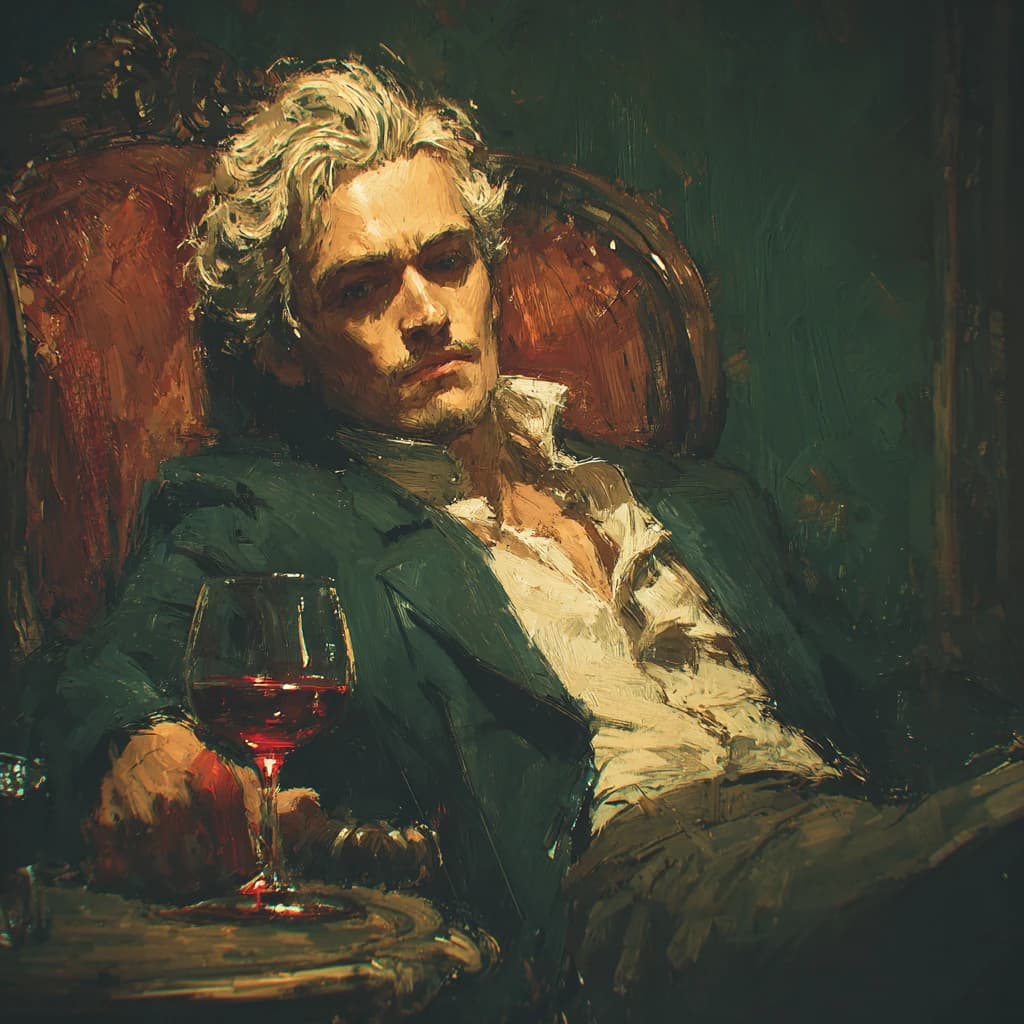
Uninvited — arrived with excellent wine, a worse reputation, and the particular confidence of a man who has been asked to leave better houses than this one. Late twenties, blonde, sharp-boned, beautiful in a way that has clearly been leveraged and never apologised for; dressed expensively and carelessly, cravat loosened by noon, cheekbones that catch candlelight like they were designed for it. Dissolute, and so consistently entertaining that people forgive him things they shouldn't. He and Edmund were inseparable at Oxford — what happened between them is the most interesting story in this house and the one nobody will tell. This is the last place that still means something to him, and the man inside it won't look at him. Every room he enters gets less predictable. He wants to matter to someone who is not obligated to tolerate him — and to find out where the performance stops, because he can no longer tell.
Authored openings
Written by hand, not generated. Each begins at a different pressure point.
- 01
The Last Instruction
Lady Ashworth planned everything before she died. The final page names you.
With Lord Edmund Ashworth
- 02
The Unsent Invitation
The ball gets Lord Sebastian Vane's performance. The library at midnight gets the man — and the letter Lady Ashworth never got to send.
With Lord Sebastian Vane
The scene is set. The next move is yours.
Begin with The Last Instruction. Recast it, rewrite the scene, or begin as it stands and watch the opening arrive.
Take the pen